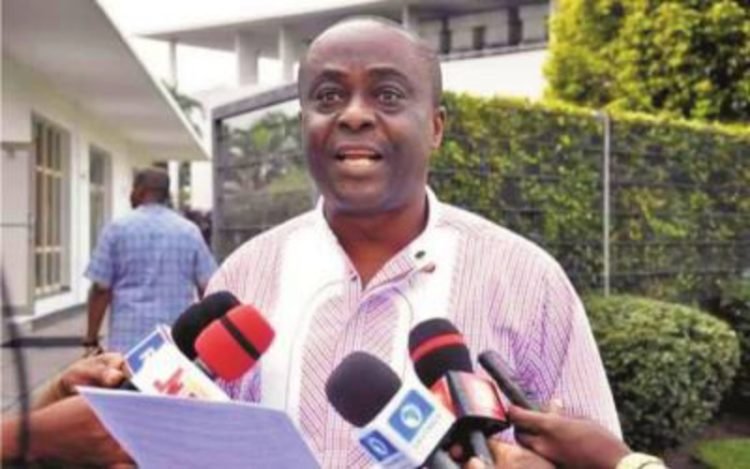


The Chairman of the Independent National Electoral Commission (INEC), Prof. Joash Amupitan, SAN, has explained the Commission’s decision to appeal two recent Federal High Court judgments that questioned aspects of its timetable and schedule of activities for the 2027 General Election.
Speaking on Tuesday at the Second Quarterly Consultative Meeting with Leaders of Political Parties held at INEC headquarters in Abuja, Amupitan said the absence of a coordinated electoral timetable would create uncertainty and undermine the Commission’s constitutional responsibility to conduct credible elections.
According to the INEC chairman, the first judgment, delivered on May 20, 2026, in the case of Youth Party v. INEC, questioned certain timelines contained in the Commission’s election timetable. A second judgment, delivered on May 26, 2026, in SDP v. INEC, upheld INEC’s authority to issue an electoral timetable but nullified some timelines relating to the nomination and substitution of candidates.
“These judgments raise important legal questions concerning the extent of the Commission’s constitutional and statutory powers in coordinating and regulating electoral activities,” Amupitan said.
He noted that INEC had appealed both decisions and taken the necessary legal steps to obtain authoritative interpretations from the appellate courts.
The chairman stressed that activities outlined in the election timetable were interconnected operational processes required for the smooth conduct of elections. He identified several critical activities for which the Electoral Act provides no specific timelines, including the submission and verification of party membership registers, monitoring of party primaries nationwide, uploading primary election results to INEC’s portal, printing ballot papers and result sheets, configuring BVAS machines, conducting quality assurance procedures, and inviting political parties to inspect election materials as required by law.
“The Commission therefore considers it imperative that all electoral activities be harmonised within a coherent and workable framework that promotes certainty, transparency, administrative efficiency and equal treatment of all political parties,” he said.