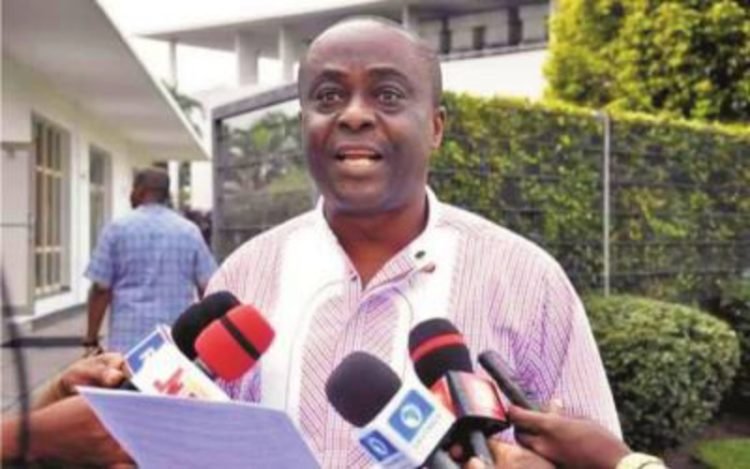


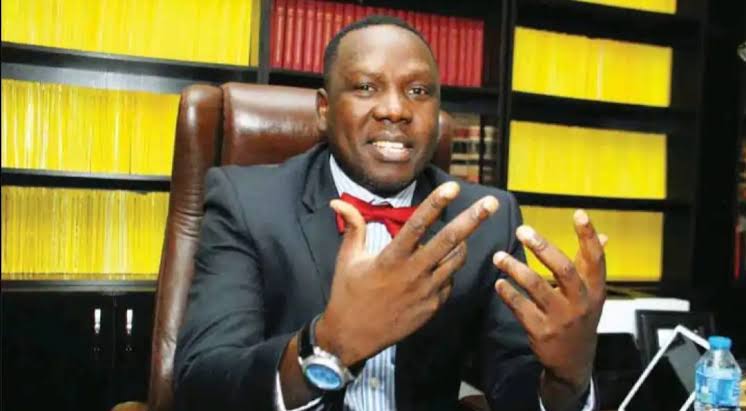
Presidential aide Daniel Bwala has urged Nigerians to hold state governors accountable for the management of local government allocations, arguing that President Bola Tinubu should not be blamed for failures in service delivery at the grassroots level.
Speaking on the need to strengthen federalism and accountability, Bwala stated that the President is not responsible for directly supervising governors, noting that constitutional institutions at the state level are empowered to perform oversight functions.
“The President is not a prefect to the governors. That is why I talk about federalism. They have State Houses of Assembly. At the centre, whatever the President provides for implementation goes through ministers and the National Assembly, which exercises oversight,” he said.
Bwala stressed that state legislatures should ensure proper monitoring of funds allocated to local governments and demand accountability from those responsible for managing them.
According to him, substantial sums are being released monthly to local councils, yet many communities continue to lack basic services.
The presidential aide revealed that between January and March this year, a total of ₦2.26 billion was allocated to a local government, arguing that such funds should have translated into visible development projects.
He said the money could have been used to revive primary healthcare centres, improve public schools, support construction projects, enhance security through community vigilante groups, create employment opportunities, and provide affordable healthcare and prescription drugs for residents.
“That money would have revived primary healthcare. That money would have put primary schools in place. That money would have taken care of some construction projects,” Bwala said.
He maintained that without accountability at the state and local government levels, increased federal allocations alone would not solve development challenges.
“Now, if we do not hold our governors at the federated level accountable, even if the President sends $30 billion here, we will still be having the same conversation,” he added.