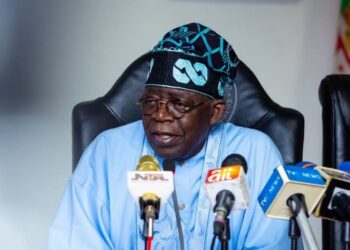


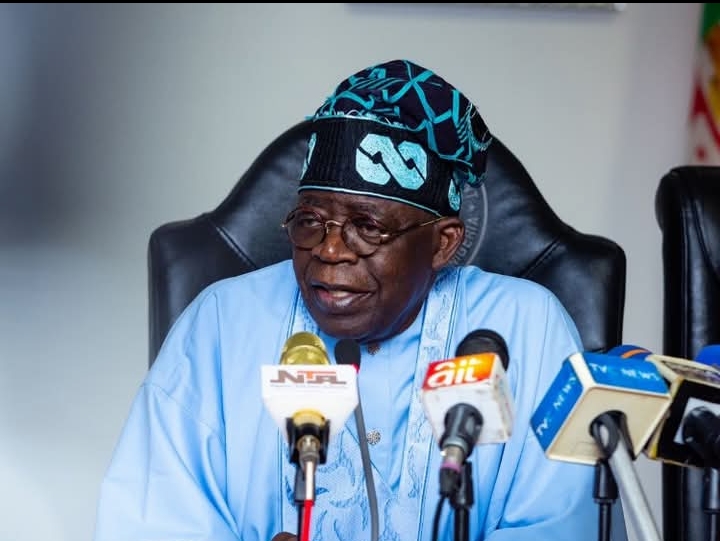
President Bola Tinubu has defended his administration’s borrowing plans, saying investments in infrastructure and human development will expand economic opportunities for future generations.
In an essay titled “From Reforms to Delivery: Our Infrastructure Investment and Growth Strategy,” Tinubu said the focus should be on how borrowed funds are used to create value and drive economic growth.
“The real question is not how much we borrow, but what we build, what value we create and what future we leave behind,” he said.
The President identified the Lagos-Calabar Coastal Highway, Sokoto-Badagry Superhighway, electricity grid upgrades and modernisation of commercial ports as key projects expected to boost productivity, reduce transportation costs and attract private investment.
He said the Lagos-Calabar Coastal Highway alone could generate about 100,000 direct jobs and more than 150,000 indirect jobs, while contributing to trade, tourism and industrial growth.
Tinubu attributed improvements in economic indicators to reforms introduced since May 2023, including the removal of petrol subsidies, exchange rate unification and tax reforms.
He said the administration’s ambition to build a $1 trillion economy by 2030 would require sustained investment in infrastructure, industrialisation and trade.
The President also said improved investor confidence and Nigeria’s financial standing could help the country secure longer-term financing at lower borrowing costs.
He stressed that public borrowing should increasingly fund productive investments rather than short-term fiscal pressures, adding that the government would prioritise food affordability, fiscal discipline, critical infrastructure, regulatory efficiency and human development.
“Securing financing is not the achievement. Completing the project, delivering value and improving the lives of Nigerians is the achievement,” he said.