

The Nigerian National Petroleum Company (NNPC) Retail has agreed to forgo its petrol retail profit margin and sell the product at cost for 30 days to cushion the impact of rising global oil prices on Nigerian households.
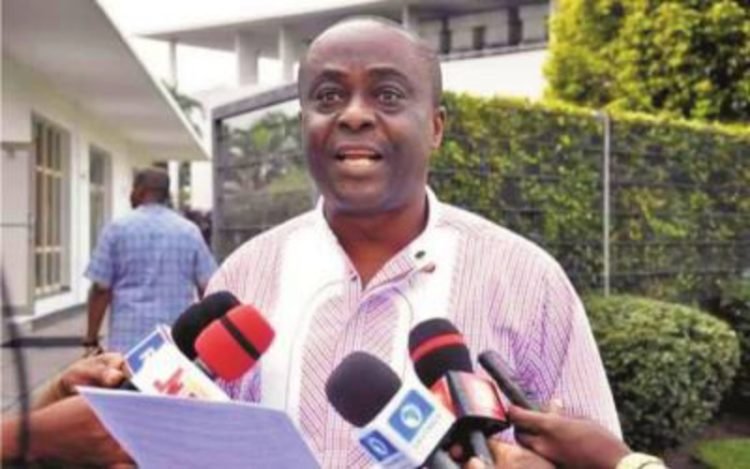
The announcement was made by the Minister of Finance and Coordinating Minister of the Economy, Taiwo Oyedele, as part of additional measures approved by President Bola Ahmed Tinubu to address the effects of global crude oil price volatility on consumers.
According to a State House press release issued on Thursday by the President’s Special Adviser on Information and Strategy, Bayo Onanuga, the arrangement means NNPC Retail will sell petrol at its landing cost without adding its retail profit margin, with commercial transport operators among those expected to benefit.
Oyedele urged other fuel marketers to consider similar measures, expressing the hope that the current surge in crude oil and petrol prices would not last long.
He, however, warned that the decision should not be interpreted as a return to the petrol subsidy regime, which ended on May 29, 2023.
The Federal Government also announced plans to introduce forward crude oil sales to domestic refineries to help shield petrol prices from fluctuations in the international market as production increases and previously committed crude supplies become available.
Oyedele disclosed that the government was negotiating a ceiling of N1,350 per litre on the ex-gantry or landing cost of petrol to moderate price fluctuations.
Under the proposed arrangement, refiners and importers would bear costs above the ceiling and recover the shortfall later when crude oil prices or exchange rates become favourable.
“This is neither a subsidy nor a price control: it is designed to smooth prices over time rather than suppressing them,” Oyedele said, adding that the ceiling would be reviewed monthly and the figures published for transparency.
Other measures include increased funding for cash transfers to vulnerable households, subsidised credit for small businesses and consumers, and efforts to curb the collection of road taxes and levies that contribute to higher transport fares and logistics costs.
The government also plans to accelerate the deployment of compressed natural gas (CNG) in collaboration with state governments, with transport operators expected to pass the resulting savings on to passengers through lower fares. The release said CNG was 60 to 70 per cent cheaper than petrol.
It further disclosed that the government would consider an excess-profit tax on operators found to be taking undue advantage of consumers across the energy value chain.
According to the statement, proceeds from taxes imposed on price gouging would be used exclusively to cushion the effects of rising fuel prices through transport support or vouchers for urban minimum-wage earners.
He said, the Federal Government will also work with the National Assembly to consider additional tax relief for low-income earners under the 2027 Finance Bill.
It added that the Federal Government was working on a comprehensive package of fiscal measures aimed at sustainably reducing inflation to single digits in the near term.