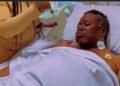


The University of Port Harcourt Teaching Hospital (UPTH), in partnership with Rotary International, has commenced a free cataract surgery programme for 200 indigent patients to reduce avoidable blindness and improve access to eye care.
The week-long humanitarian exercise, sponsored by Rotary International, is aimed at restoring the sight of beneficiaries who cannot afford the cost of cataract surgery.
The programme was officially flagged off by the hospital’s management, with the Chairman, Medical Advisory Committee (CMAC), Professor Richard Echem, representing the Chief Medical Director, Professor Chituru Godwill Orluwene.
Speaking at the flag-off ceremony, Echem commended Rotary International for its support and called on corporate organisations, wealthy individuals and faith-based groups to support similar healthcare interventions.
He said such partnerships would help reduce the financial burden of healthcare delivery on both government and patients, particularly the less privileged.
The CMAC expressed optimism that the partnership would create opportunities for further collaboration to improve access to quality healthcare.
Earlier, the Head of the Department of Ophthalmology, represented by Dr Godswill Nathaniel, described cataract as one of the leading causes of avoidable blindness, particularly among people with limited access to specialised eye care.
Nathaniel said the intervention was timely, considering the financial challenges faced by patients who require cataract surgery.
He assured that adequate clinical and logistical arrangements had been made for the 200 beneficiaries scheduled to undergo surgery during the week-long programme.
In his keynote address, the International President of Rotary International, Olayinka Hakeem Babalola, commended UPTH management for providing the necessary support for the successful implementation of the initiative.
Babalola described the opportunity to witness beneficiaries regain their sight as a source of joy and fulfilment, reaffirming Rotary International’s commitment to humanitarian service and improving lives through impactful interventions.
The hospital said the commencement of the surgery followed a screening exercise earlier conducted to assess prospective beneficiaries and select the 200 patients suitable for the procedure.