

The Independent National Electoral Commission (INEC), has declared that Nigerians, not algorithms, will determine the outcome of the 2027 General Elections, assuring that the polls will be better than previous elections.
Chairman of the Commission, Professor Joash Amupitan, gave the assurance on Saturday during a South-South Zonal Interactive Meeting with Staff and Readiness Assessment for the 2027 General Elections in Port Harcourt, Rivers State, as part of his two-day working visit to the zone.
He said the Commission remained committed to conducting free, fair and credible elections, stressing that the meeting was organised to review previous activities, identify operational gaps and strengthen preparations for the forthcoming polls.
“The people and not Algorithm will decide next year’s elections We have to come together. We have to review what we have done, we need to have an election that will unite and not divide us. Because what we need is unity to move the nation forward,” he said.
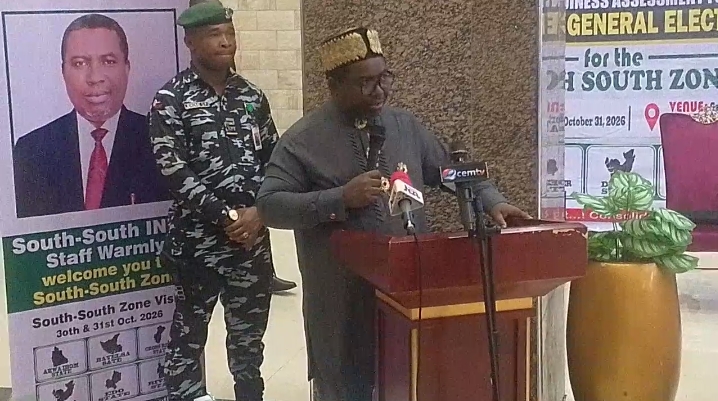
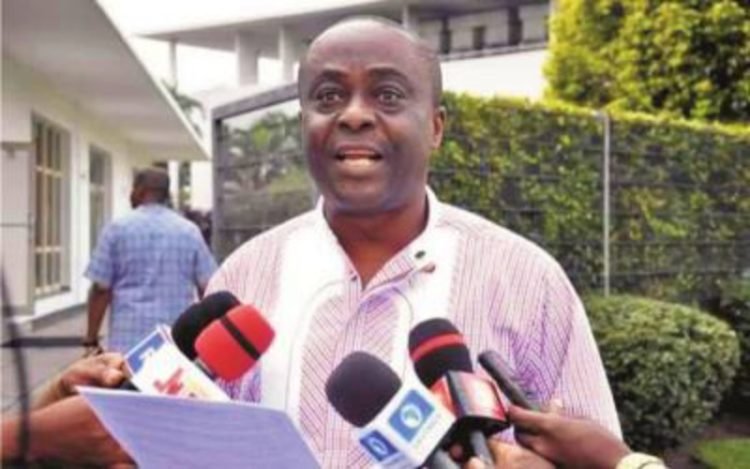
INEC Chairman, Prof. Joash Amupitan speaking at the event
The INEC Chairman disclosed that the South-South zone has 15,823,550 registered voters, including 3,736,434 in Rivers State, stressing that electoral officials had a responsibility to ensure that no eligible voter was disenfranchised.
“The 15.823,550 million voters in the South-South are not abstract figures. They are living citizens whose constitutional right to choose their leaders in a secure, transparent environment must be guaranteed without compromise,” he said.
“It is your sole duty to ensure that no voter is disenfranchised due to administrative negligence or logistic failure,” Amupitan added.
Amupitan identified digital disinformation, including fake news and deepfake videos, as major threats to public confidence in the electoral process.
He said INEC was strengthening its technological capacity ahead of the elections, disclosing that the Commission had procured 57,000 additional Bimodal Voter Accreditation System (BVAS) devices.
He also announced the introduction of the EC8A Verification Platform to address discrepancies in polling unit results before transmission, adding that training on the platform was ongoing.
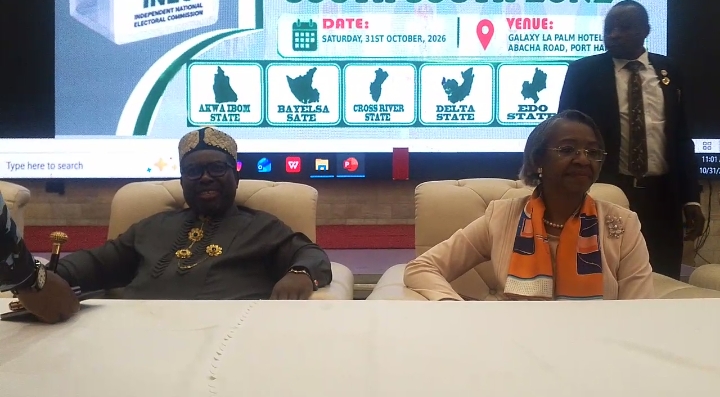
On the voters’ register, the INEC Chairman urged Nigerians to participate in the claims and objections exercise, disclosing that the Commission had received numerous claims and objections, which were being addressed through Electoral Officers and Resident Electoral Commissioners.
He said the final register of voters would be published on December 15, 2026.
Amupitan further disclosed that INEC had successfully implemented nine of the 14 statutory milestones ahead of the 2027 elections.
On the logistical challenges peculiar to the South-South, he identified the region’s creeks, coastal settlements and riverine communities as areas requiring special operational arrangements.
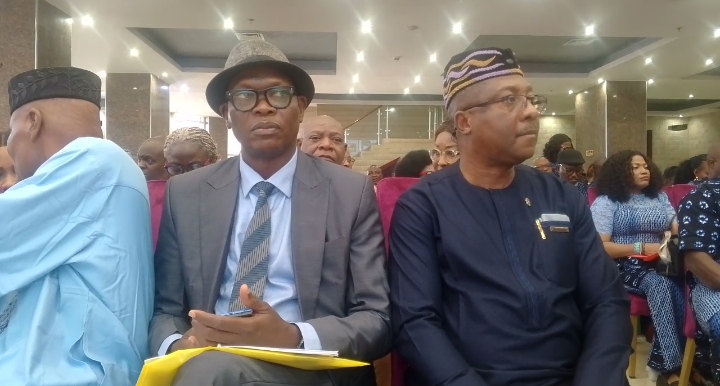
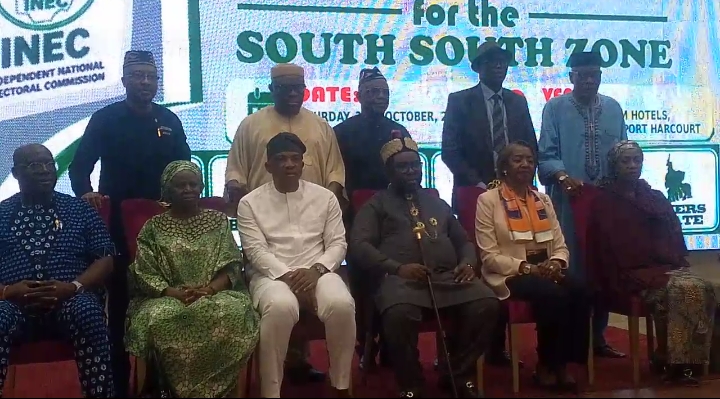
Electoral commissioners, and staff at the interactive session
He said INEC had concluded a Memorandum of Understanding with the Maritime Transporters Union to ensure the timely and secure transportation of election personnel and materials.
Amupitan also reaffirmed that the timeline for the election was fixed and could not be altered, stressing that the 2027 general elections must hold as scheduled.
“Our statutory timeline is fixed. We cannot change anything. This election must hold. As the window narrows, our operational standard must rise proportionately. Let me use this opportunity to commend those of you who have been with us for the past few years. I also know that you participated in all of these elections, and we have improved on what we met in the end,” the INEC boss disclosed.
He charged staff to uphold professionalism, impartiality, discipline and accountability, warning that partisanship, negligence, absenteeism and financial impropriety would attract disciplinary action.
Earlier, the Resident Electoral Commissioner in Rivers State, Dr Johnson Alalibo Sinikiem, welcomed participants and described the meeting as an opportunity to evaluate their level of preparedness, identify operational gaps and develop strategies to address them.
“This readiness assessment therefore provides an important opportunity for us to evaluate our level of preparedness, identify operational gaps, examine the potential challenges, and develop practical strategies for addressing them before the election day,” he said
Sinikem, highlighted the need for staff to remain guided by the Constitution of the Federal Republic of Nigeria, the Electoral Act 2026, INEC regulations and guidelines, and other relevant legal provisions governing the electoral process, noting that Nigerians expect the Commission to conduct elections that reflect their will, a responsibility that requires every staff member to discharge their duties professionally.
“The Nigerian public expects the Commission to conduct elections that reflects the will of the electorate and command public confidence. Meeting these expectations requires every member of staff to understand and faithfully discharge their responsibilities. We must remain guided by the Constitution of the Federal Republic of Nigeria, the electoral act 2026, INEC regulations and guidelines, and other relevant legal provisions governing the electoral process,” he added.
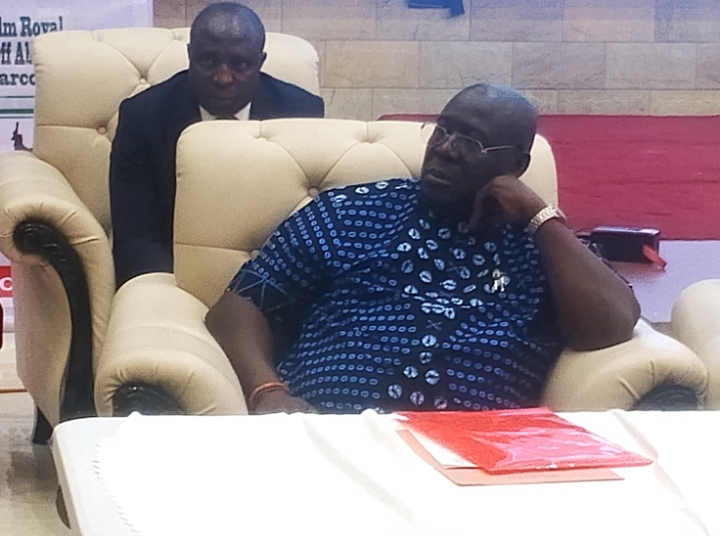
Dr Johnson Alalibo Sinikiem, Resident Electoral Commissioner in Rivers State
Sinikiem also stressed the importance of voter education and prompt public clarification of electoral issues to counter fake news and disinformation.
Speaking with journalists, the Resident Electoral Commissioner in Edo State, Obot Infanga, said the meeting provided an opportunity for states to present their level of preparedness, identify outstanding tasks and receive further guidance from the Commission’s headquarters.
The meeting featured sensitisation sessions on technology readiness and staff code of conduct ahead of the 2027 elections, as well as an interactive question-and-answer session, among other activities.
It was attended by National Commissioners, heads of security agencies, representatives of non-governmental and civil society organisations, and staff of the Commission.