

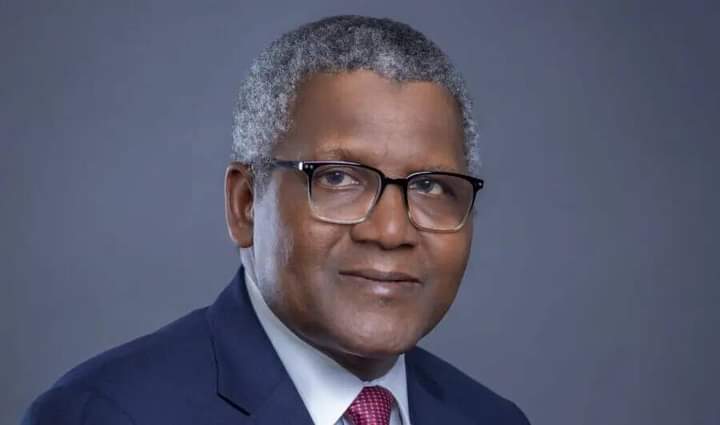
President of the Dangote Group, Aliko Dangote, has warned that criminal networks operating in Nigeria’s oil sector are more powerful than drug cartels, alleging sustained efforts to sabotage local refining operations.
Dangote made the claim on Sunday during a press conference at the Dangote Refinery in Lagos, where he accused what he described as an “oil mafia” of deliberately undermining domestic refining to protect profits from fuel importation.
He said the refinery has suffered severe financial and physical losses due to sabotage, estimating that stolen items alone have cost the facility about $82 million. According to him, criminal groups have also attempted to manipulate the situation to secure large insurance claims, a development he warned could further drive up insurance premiums.
Dangote said sabotage within the oil sector is pervasive, challenging other refinery developers to deny experiencing theft. He disclosed that security personnel at his refinery now outnumber workers, citing the theft of a critical component from a 400-ton operational boiler as one example.
He further alleged that some equipment manufacturers may be complicit in acts of sabotage and said the company is considering legal action against those involved.
Expanding his claims beyond his refinery, Dangote said national oil infrastructure across the country has been systematically destroyed. He noted that all 22 piped depots previously built are no longer functional due to the destruction of their pipelines, while the rehabilitation of the Port Harcourt refinery has reportedly suffered more than 100 incidents of sabotage.
Describing the situation as deliberate and coordinated, Dangote also raised allegations of corruption in the downstream oil sector. He accused a regulatory official of funding the education of his children in Switzerland and called for a full investigation and public clarification of the payment.
Dangote has repeatedly raised concerns about the influence of what he terms the “oil mafia” since June 2024, alleging that international traders and local marketers who profit from fuel imports are working together to stifle local refining capacity.