


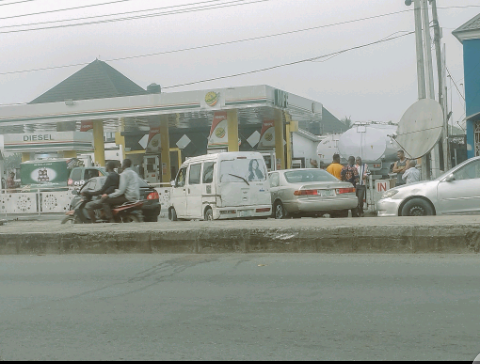
The Petroleum Products Retail Outlets Owners Association of Nigeria (PETROAN) has stated that the recent increase in the price of Premium Motor Spirit (PMS), commonly known as petrol, is not an artificial move to punish consumers, but a reflection of prevailing global market realities.
In an official statement, Dr Joseph Obele, National Public Relations Officer of PETROAN explained that the adjustment in fuel prices is linked to real-time developments in the international crude oil market, which directly affect the landing cost of imported petroleum products in Nigeria.
According to the association, international crude oil prices have risen sharply in recent days due to geopolitical tensions and supply concerns. As of the latest market close, Brent crude was trading above 70 US dollars per barrel, one of the highest levels recorded in recent months.
The escalation of geopolitical risks, particularly in the Middle East, has heightened supply uncertainty and increased price volatility in the global oil market.
PETROAN noted that these global developments have had a direct impact on the Nigerian market, leading to an increase in the retail price of PMS. Average pump prices now range between ₦835 and ₦880 per litre in major cities, following recent depot and gantry price adjustments to align with market fundamentals.
The association warned that higher fuel prices have a ripple effect on the economy, increasing transportation and logistics costs and putting additional pressure on the prices of goods and services, thereby fueling inflation.
To address the situation and cushion the impact on Nigerians, PETROAN called for urgent policy actions by the government. These include immediate attention to government-owned refineries in Warri, Kaduna and Port Harcourt, strengthening strategic petroleum reserves to absorb price shocks, and promoting foreign exchange stability to reduce import-related costs.
Other recommendations include encouraging competition in the downstream petroleum sector and accelerating energy diversification through the development of alternative energy sources to reduce dependence on petroleum products.
PETROAN stressed that proactive and coordinated policy responses are necessary to stabilise fuel availability and pricing, warning that failure to act could result in further hardship for Nigerians.